
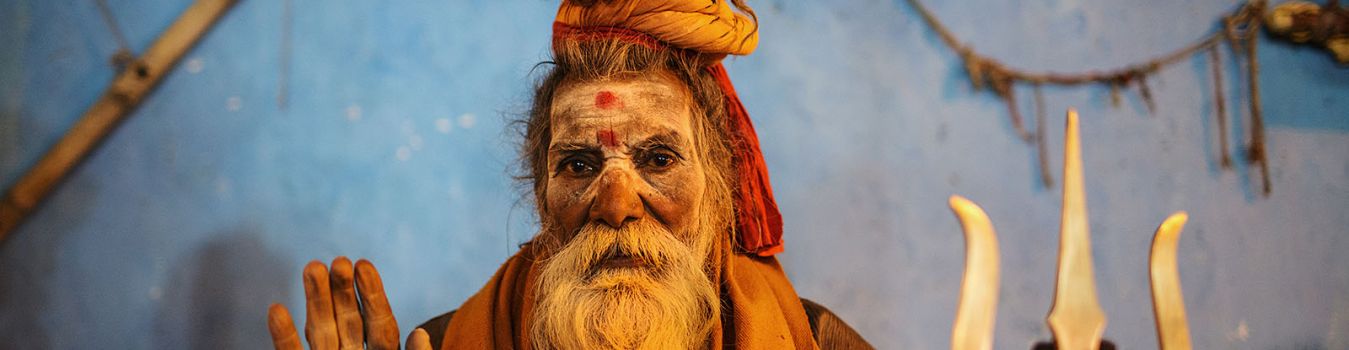
Deep Dive: Sadhu in Varnasi
Sadhus are the quintessential spiritual seekers of Varanasi, having renounced worldly life in search of liberation (Moksha). Clad in saffron robes with ash-smeared bodies and long matted hair, they are often seen meditating along the ancient ghats.
Many of them belong to the Akhada tradition and spend their lives in deep devotion to Lord Shiva. Their presence adds a layer of timeless mysticism to the city. Whether engaging in complex yogic practices or simply sitting in silence by the river, they represent the living spiritual heritage of Kashi.
Expert Insights for Your Visit
Varanasi is best explored with an open heart and a slow pace. The city reveals its secrets to those who stay long enough to observe the subtle shifts in the river's light and the rhythm of the daily rituals.
We recommend pairing your visit to Sadhu in Varnasi with a quiet walk through the nearby ancient ghats or a sampling of the city's legendary culinary heritage.
Curated by Hospes India
As Varanasi's leading destination management experts, we ensure that your visit to Sadhu in Varnasi is authentic and seamless.
At Hospes India, we believe that travel should be transformative. From arranging priority darshan at the temples to booking luxury river cruises on the Ganges, we handle the logistics so you can focus on the experience. Let us help you discover the timeless magic of Varanasi, where every corner holds a piece of eternity.
Experience Sadhu in Varnasi in Motion
Videos courtesy of YouTube. Explore more of Kashi through our curated visual guide.